





Asbestos Removal St Helens
Found a cracked garage roof, a damaged soffit or crumbling floor tiles in a property built before 2000? There’s a reasonable chance the material contains asbestos, and that’s a common problem across the North West’s older housing. But this isn’t a reason to panic.
DACT Contractors carries out safe, fully compliant asbestos removal for homeowners, landlords and businesses across St Helens and the wider North West, from single garage roofs to full commercial strip-outs.
We remove and dispose of asbestos-containing materials to the standard set out in the Control of Asbestos Regulations 2012, and every job starts with a free, no-obligation quote from a trained team.
What Our Asbestos Waste Removal Service Covers
Removal is one part of a wider process. Before any material comes out of your property, we need to know what it is and how much of a risk it poses, which is why every job begins with an asbestos survey or testing to identify the material, followed by safe removal, licensed disposal and a full clearance check before we sign the site off. If the material’s in good condition and unlikely to be disturbed, encapsulation, sealing it safely in place, is often the quicker option instead.
Call us on 01744 353640 or request a free quote to get started.
Our Asbestos Removal Process
- Free consultation & quote – Get in touch, and we’ll talk through what you’ve found, or what you suspect, and arrange a time to assess it in person. We’ll offer a free, no-obligation quote before any work is scheduled.
- Survey and testing – Before anything is removed, our asbestos survey and testing services confirm whether asbestos is present and assess its condition, so removal is based on fact, not guesswork.
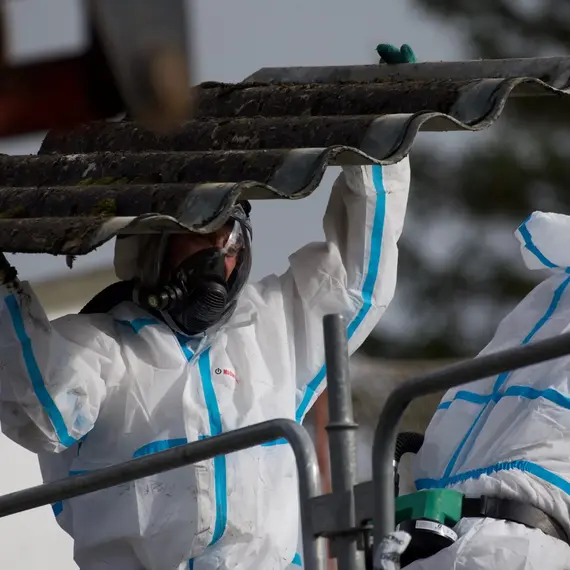
- Asbestos removal – Following a full risk assessment, we seal off the area, use wet methods to suppress dust, and carry out licensed or non-licensable removal work within HSE control limits, keeping exposure to a minimum throughout.
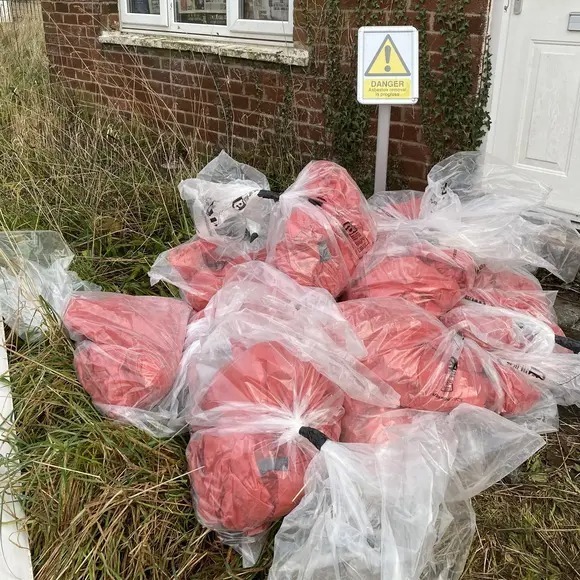
- Disposal and clean-down – Waste is double-bagged, labelled and taken for licensed disposal. We clean the area with H-type vacuums and carry out clearance testing before signing the site off as safe.









Why Choose DACT Contractors
- CHAS Elite certified, so the work meets recognised safety standards
- Licensed contractors for both licensable and non-licensable asbestos work
- Testing results back within 72 hours, so you’re not left waiting
- One point of contact, from survey through to disposal and sign-off
- Free, no-obligation quotes on every job, whatever the size


Get a Free Quote for Asbestos Removal
Don’t wait if you suspect asbestos in your property. Whether it’s your home, a rented property, a commercial development or an industrial facility, DACT Contractors are ready to assist.
To discuss your project and receive a free, no-obligation quote, call us on 01744 353640 or email sales@dactcontractors.com today.
What is Asbestos?
Asbestos is a name given to several naturally occurring mineral fibres. Asbestos fibres are known for their durability and resistance to heat, making them a popular choice throughout the 1900s for home insulation, concrete, car brakes, floor tiles and much more.
There are six different types of asbestos minerals, divided into two sub-groups: serpentine and amphiboles. The different types of asbestos minerals are:
- Actinolite – Used in cement, insulation and paint.
- Amosite – Used in insulation, tiles and gaskets.
- Anthophyllite – Used in cement and insulation materials.
- Chrysotile – One of the most common types of asbestos for building materials such as insulation and fireproofing products.
- Crocidolite – Used for tiles, cement, and insulation materials.
- Tremolite – Known to be used for paint, sealants and plumbing materials.
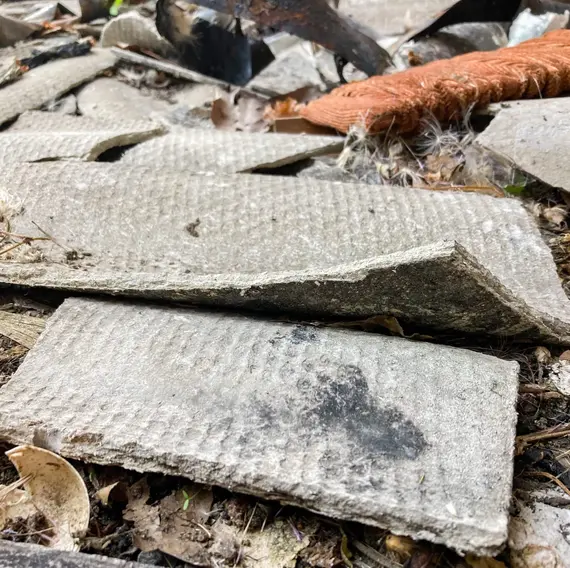
There’s no reliable way to identify asbestos by sight. It can look like ordinary cement, insulation, tiling or coating, and materials with and without asbestos are often indistinguishable to the naked eye. Colour isn’t a safe guide either.
The only way to know for certain is testing, so if a property was built before 2000 and you’re planning any work that could disturb a suspect material, get it checked first.
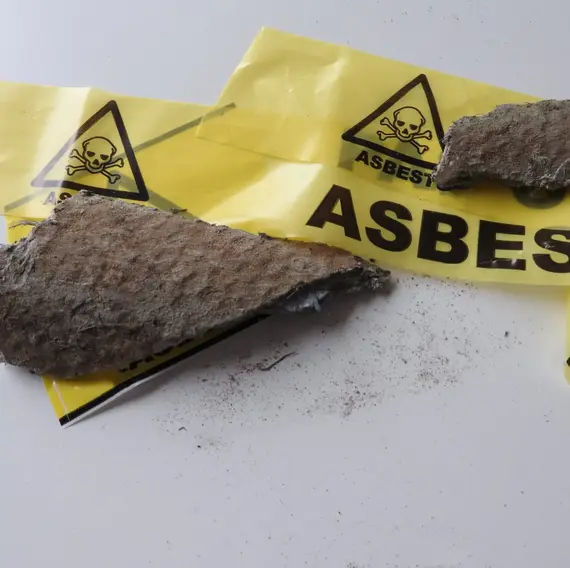
Dangers of Asbestos
Asbestos is still the leading cause of work-related deaths in the UK. The material itself isn’t dangerous while it stays intact; the risk comes when it’s disturbed and its fibres are inhaled.
Prolonged asbestos exposure is linked to serious respiratory conditions, including asbestosis and cancers that can take decades to appear after exposure. The International Agency for Research on Cancer has classified all forms of asbestos as being carcinogenic to humans. Asbestos is known to cause mesothelioma, which is a type of cancer that forms on the protective tissue covering the lungs or abdomen. It can also cause cancer of the lungs, voice box and ovary.
That’s why licensable work must stay below the HSE’s control limit of 0.1 fibres per cubic centimetre of air, averaged over 4 hours, and why anyone working with, or near, asbestos should be wearing the right personal protective equipment. If you suspect asbestos is present, don’t disturb it – get it identified by a trained professional first.
Domestic and Commercial Asbestos Removalist
At DACT Contractors, we’re experts in identifying, removing and disposing of dangerous asbestos materials from a variety of locations.
Whether you’re a landlord, a homeowner or a business owner requiring commercial asbestos removal and fear your premises contain asbestos-containing materials, we can help.
Our expert team will conduct an asbestos survey safely, submit materials for testing and remove asbestos where necessary.
After a brief chat with one of our team, we can set up a survey of your premises and identify any asbestos that requires removal. Our specialist team will then safely dispose of it, ensuring your home or working environment is safe.
-
 FREE Consultation & Price
-
competitive Low Cost Quotations
-
5 Star Reviews & Excellent Customer Feedback

Within one day of my enquiry for garage demolition, they were round to have a look. The quote was received and work was started the following week. They communicated brilliantly throughout the job and sorted the skip, saving me the hassle. The results in the photos speak for themselves. Brilliant service all round.

Removing asbestos piping for us. Nice clean tidy job. Reliable and punctual. Thanks again 👍
Great communication throughout the job. Pleasure to deal with. Would highly recommend. Thanks again lads.
So happy with the service the lads provided removing my asbestos garage roof!
FAQs
 01744353640
What's the difference between asbestos removal and encapsulation?

Can I remove asbestos myself?
Sometimes legally. Non-licensable work, such as removing an intact asbestos cement panel, isn’t restricted to licensed contractors by law. But we’d think carefully first.
Even where it’s legally permitted, getting it wrong (breaking the material up, skipping the right personal protective equipment, disposing of it incorrectly) is exactly what turns a manageable material into a real health risk.
Licensable work, like sprayed coatings, lagging or damaged insulating board, has to be done by a contractor holding an HSE licence.
We’d always rather quote it properly than have you find that out the hard way.
How long does an asbestos removal job take?